학생-기여 위키
자사 교육 프로그램의 멋진 학생들이 이 위키를 만들었습니다.
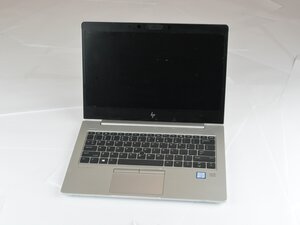
HP EliteBook 830 G6이 비정상적으로 뜨겁거나, 팬 소음이 크거나, 노트북이 갑자기 종료된다면 과열 상태일 수 있습니다. 과열은 내부 부품을 손상시키고 성능을 저하시킬 수 있습니다. 이 안내서를 사용하여 일반적인 원인과 해결 방법을 확인하세요.
통풍구 막힘
문제: 먼지나 부드러운 표면이 공기 흐름을 막아 열이 축적됨.
해결 방법:
- 노트북을 단단하고 평평한 표면(책상이나 테이블) 위에 두세요.
- 침대, 소파, 담요와 같은 부드러운 표면은 피하세요.
- 통풍구(측면 또는 하단)에 먼지나 이물질이 있는지 확인하세요.
- 압축 공기를 사용하여 통풍구를 부드럽게 청소하세요.
- 노트북을 다시 시작하고 온도를 모니터링하세요.
안내서 자리 표시자: [통풍구 청소 안내서 – 곧 출시 예정]
과도한 프로그램 실행
문제: 여러 앱이나 브라우저 탭을 실행하면 CPU에 과부하가 걸려 추가 열이 발생함.
해결 방법:
- Ctrl + Shift + Esc를 눌러 작업 관리자를 여세요.
- 프로세스 탭에서 CPU 사용량이 높은 항목을 확인하세요.
- 불필요한 프로그램을 마우스 오른쪽 버튼으로 클릭하고 작업 끝내기를 선택하세요.
- 불필요한 시작 프로그램 비활성화:
- 작업 관리자 → 시작 앱 탭 → 사용 안 함으로 불필요한 앱을 설정하세요.
- 노트북을 다시 시작하고 온도가 개선되는지 확인하세요.
안내서 자리 표시자: [백그라운드 앱 관리 안내서 – 곧 출시 예정]
오래된 BIOS 또는 드라이버
문제: 오래된 BIOS나 드라이버는 효율적인 냉각을 방해할 수 있음.
해결 방법:
- HP 지원 페이지로 이동하여 HP EliteBook 830 G6을 검색하세요.
- 최신 버전의 다음 항목을 다운로드하여 설치하세요:
- BIOS 업데이트
- 칩셋 드라이버
- 열 관리 드라이버
- 설치 후 노트북을 다시 시작하세요.
안내서 자리 표시자: [BIOS 및 드라이버 업데이트 안내서 – 곧 출시 예정]
높은 실내 온도
문제: 더운 환경은 냉각 효율을 떨어뜨림.
해결 방법:
- 노트북을 시원하고 환기가 잘 되는 곳에서 사용하세요.
- 직사광선이나 밀폐된 공간은 피하세요.
- 공기 흐름을 위해 냉각 패드 사용을 고려하세요.
안내서 자리 표시자: [냉각 패드 사용 안내서 – 곧 출시 예정]
팬 오작동 또는 먼지 축적
문제: 팬이 작동을 멈추거나 막히면 열이 빠져나갈 수 없음.
해결 방법:
- 시스템이 뜨거울 때 팬 소리를 들어보세요. 소리가 나지 않으면 고장 났을 수 있습니다.
- 압축 공기로 통풍구를 청소하세요.
- 문제가 지속되면 팬을 점검하거나 냉각 팬을 교체하세요.
교체 부품: HP 냉각 팬 어셈블리 (부품 번호 L13869-001)
안내서 자리 표시자: [냉각 팬 교체 안내서 – 곧 출시 예정]
오래되거나 마른 서멀 페이스트
문제: CPU와 방열판 사이의 서멀 페이스트가 마르면 열 전달 효율이 감소함.
해결 방법:
- 노트북을 끄고 모든 전원 공급원을 분리하세요.
- 하단 커버와 냉각 어셈블리를 제거하세요.
- 이소프로필 알코올을 사용하여 오래된 서멀 페이스트를 닦아내세요.
- 소량의 새 서멀 페이스트를 바르세요.
- 다시 조립하고 다시 시작하세요.
안내서 자리 표시자: [서멀 페이스트 교체 안내서 – 곧 출시 예정]
성능 우선의 BIOS 설정
문제: "성능 모드"와 같은 BIOS 설정은 발열을 증가시킬 수 있음.
해결 방법:
- 노트북을 다시 시작하고 Esc를 반복해서 누르세요.
- F10을 눌러 BIOS 설정을 여세요.
- Advanced(고급) → Power and Performance Settings(전원 및 성능 설정)로 이동하세요.
- system cooling(시스템 냉각)을 Balanced(균형) 또는 Optimized mode(최적화 모드)로 설정하세요.
- 변경 사항을 저장하고 BIOS를 종료하세요.
하드웨어 손상 가능성
문제: 반복적인 과열은 CPU, 마더보드 또는 기타 부품을 손상시킬 수 있음.
해결 방법:
- 타는 냄새, 시스템 불안정 또는 열 스로틀링 현상이 있는지 확인하세요.
- 특히 보증 기간 내인 경우 HP 지원에 문의하여 수리 또는 교체를 받으세요.
안내서 자리 표시자: [전문 수리 옵션 안내서 – 곧 출시 예정]

팀

Texas Tech, Team 37-5, Allen Fall 2025 Texas Tech, Team 37-5, Allen Fall 2025 회원
TTU-ALLEN-F25S37G5
3 회원들
안내서 84개를 작성함

댓글 0개