Fan
인기 포럼 질문
질문하기질문이 없습니다. 가장 먼저 질문해보세요!
도구
해당 기기를 고치는데 사용하는 일반 도구들 입니다. 매 절차에 모든 도구를 사용하지는 않습니다.
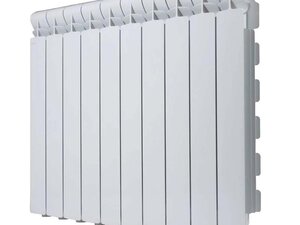
In HVAC systems, calorifers typically work by passing air over coils filled with hot fluid. In marine and industrial settings, they may be integrated into boiler systems or operate as standalone heating units.
Common Applications
- HVAC systems – heating incoming ventilation air in large buildings
- Marine vessels – heating air in crew quarters or work areas using boiler-generated steam or hot water
- Industrial facilities – process heating or maintaining temperature in storage areas
- District heating – transferring heat from a central plant into building air systems
Typical Features
- Heat exchanger core (finned coils or plate type)
- Casing or housing for airflow control
- Connection points for hot water, steam, or other heating fluid
- Fans or ductwork connections (in forced-air setups)
- Access panels for cleaning and maintenance
Repair and Maintenance Tasks
- Cleaning the heat exchanger surface to maintain efficiency
- Checking for and repairing leaks in coils or piping
- Replacing corroded or damaged fins or tubes
- Inspecting and servicing fans, dampers, or duct connections
- Testing control valves and sensors
Related Devices
- Boiler – supplies hot water or steam to calorifers in many systems
- Furnace – another type of heating system used in HVAC
- Air Handler
Additional Information
The term calorifer is more common in European and marine contexts; in some regions, similar devices may be called air heaters, fan coil units, or heat exchange coils. While their specific construction varies, the operating principle remains the same: transferring heat from one medium to another.