주요 콘텐츠로 건너뛰기
수리 커뮤니티 가입 - 계정 만들기

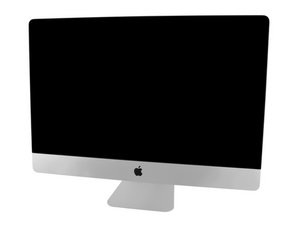
모델 A1419 / EMC 2806 / Late 2014 또는 Mid 2015. 3.3 또는 3.5 GHz Core i5 또는 4.0 GHz Core i7 (ID iMac15,1); EMC 2834 late 2015 / 3.3 또는 3.5 GHz Core i5 또는 4.0 GHz Core i7 (iMac17,1) 모두 Retina 5K 화면 장착

Maximum Hard drive space

I have an iMac model A1419 (late 2014).

I want to increase the hard drive space to as much as possible. I don't want to use a fusion drive, I would like the two drives to be separate, i.e. one to be the OS, the other to be storage.

How big can the main SSD drive be? How large can the storage drive be. Do you have recommendations for links to the drives you suggest?

Thank you so much for y our answer, I have been scouring the internet with no clear answers!

이 질문에 답하기 저도 같은 문제가 있습니다

좋은 질문입니까?

점수 0
댓글 달기

답변 1개

The SATA drive port can support any drive that physically fits! As an example: Seagate Exos HDD ST28000NM000C 28TB 7.2K RPM SATA 6Gb/s frankly, this is a bit too large for a desktop, it's more suited for a NAS server. I would stick with nothing larger than a 4TB.

Most people use SSD's over HDD's these days as they do offer quicker access and don't require as much maintenance. I would stick with Samsung 2.5" SSD's they've a good track record.

As far as a Fusion Drive that was a stop gap solution Apple came up with to get a bit more performance with HDD's by putting a SSD with it as a caching drive. At the time SSD's were still quite expensive and not available in the larger sizes unlike today. I don't recommend Fusion Drives as more often you lose your stuff when the SSD fails even though the HDD was OK.

Dual drives - The ideal setup is to install a custom Apple Blade SSD as the primary drive (boot, OS, Apps) with a fair amount of free space so the OS can setup Virtual RAM & OS Caching and under Windows via BootCamp Paging. I would go with either a 1 or 2 TB blade SSD here. Depending on the Apps you are using that may have their own caching or scratch space needs. I would limit the primary drive for current workpieces as you don't want to over do it as you want the free space on the drive. Then the second drive is your data drive for your media (music, pics, or vids) as well as your work.

When you start getting into larger storage there's a point you really want to divorce the deep storage to a NAS server as it can offer even deep storage, speed as well deeper protection of data loss. This is were RAID comes to play setting up drive spanning to increase speed and using one drive as a CRC drive make sure you don't loose data. It also allows a second system access to the data.

iMac Intel 27" Retina 5K Display 하드 드라이브 이미지

안내서

iMac Intel 27" Retina 5K Display 하드 드라이브 교체

난이도:

조정

1 - 2 hours

iMac Intel 27" Retina 5K Display Blade SSD 이미지

안내서

iMac Intel 27" Retina 5K Display Blade SSD Replacement

난이도:

어려움

2 hours

이 답변이 도움이 되었나요?

점수 0

댓글 2개:

Dan, thank you so much for your answer. I appreciate your time. Just a point of clarification. I read a post from another user that tried to upgrade the A1419 to a 4TB, but he said it wouldn't format. He put in a 3 TB and it did format. I have no idea how reliable his experience is. Also, when I clicked on the hard drive replacement link, the maximum hard drive space listed was a 2TB SSD. Can you confirm that I can put in a 4TB or 6TB SSD into the SSD slot of the A1419

@martymusters - The Blade SSD is limited as this is a custom part for Apple as it's not an M.2 drive OWC Auro x2. Trust me you don't need anything bigger for the OS, Apps and needed free space for either and you'll still have room for your current project if that's important (video production).

The SATA port is not limited, but the generation of the macOS might Be an issue if you are using Snow Leopard! Which you're not here. As I don't know the post you are calling out that's what I can tell you.

댓글 달기

답변을 추가하세요

Marty Musters 영원히 감사할 것입니다.
조회 통계:

지난 24시간: 0

지난 7일: 3

지난 30일: 12

전체 시간: 97