메인 PCB
이 번역은 기계에 의해 생성되었으며, 아직 사람이 검토하지 않았습니다. 이 언어를 구사하시나요? 검토하기.
질문이 없습니다. 가장 먼저 질문해보세요!
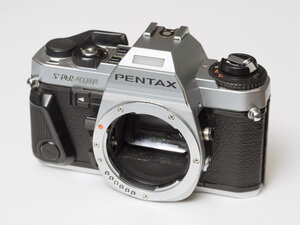
Super Program은 Pentax 최초의 프로그램 노출 모드 탑재 카메라로, 자동 노출로 촬영할 때 셔터 속도와 조리개 설정을 모두 선택할 수 있습니다. ME Super와 전반적인 구조는 비슷하지만 몇 가지 중요한 차이점이 있습니다.

ME Super는 기계식 셔터 릴리즈를 갖추고 있어 전원이 없어도 최소 한 가지 속도로 촬영할 수 있습니다. 반면, Super Program은 미러 릴리즈에 솔레노이드를 사용하므로 배터리 없이는 셔터를 작동시킬 수 없습니다. 바닥판을 제거한 후(오른쪽 참조) 기계적 기능을 확인하기 위해 미러를 수동으로 해제할 수 있습니다. 또한 Super Program은 프로그램 및 셔터 우선 모드에서 조리개를 제어하기 위한 추가 메커니즘이 필요하며, 이는 렌즈 보드 뒷면에 위치합니다. ME Super에서는 이 위치에 기계식 셀프타이머가 있었으나, Super Program에서는 전자식 셀프타이머로 대체되었습니다.
주요 하위 어셈블리 측면에서 두 카메라의 전반적인 구조는 매우 유사합니다. 하지만 Super Program은 더 확장된 플렉스 PCB를 사용하며 전자 부품을 다른 메커니즘에서 분리하기 위해 더 많은 납땜이 필요합니다. 그 외의 분해 및 수리 과정은 매우 비슷합니다.


생산 과정 중 어느 시점에 Pentax는 Super Program의 전자 부품에 중요한 설계 변경을 적용했습니다. 메인 플렉스 PCB가 재설계되었으며, 수작업으로 납땜하던 여러 연결 부위가 단일 나사 고정식 커넥터로 변경되었습니다. 초기 생산 모델과 후기 생산 모델을 식별하는 가장 쉬운 방법은 프리즘 상단의 전자 부품을 확인하는 것입니다. 초기 모델에는 대형 IC가 추가로 있지만, 후기 모델은 훨씬 간소화된 레이아웃을 가집니다.


분해 측면에서 가장 큰 차이는 셔터 릴리즈 어셈블리 아래에서 발견됩니다. 초기 모델은 메인 PCB를 전면 렌즈 보드에 연결하는 여러 개의 수작업 납땜 전선이 있지만, 후기 모델은 간단한 플렉스 연결 방식을 사용합니다. 분해 가이드의 일부 단계에는 서로 다른 연결 방식을 문서화하기 위해 두 생산 모델의 사진이 모두 포함되어 있습니다. 자신의 카메라와 가장 일치하는 지침을 따르고 필요한 경우 추가 사진을 촬영해 두세요.
Pentax Super Program에서 가장 흔히 발생하는 고장은 리플렉스 미러가 고착되거나 필름 이송 레버가 계속 감기는(일명 "무한 이송") 현상입니다. 두 문제 모두 미러 박스 메커니즘 내부의 고무 댐퍼 노후화라는 동일한 근본 원인을 가지고 있습니다. 이 고장은 일반적으로 기존 물질을 깨끗이 제거하여 수리할 수 있습니다(미러 박스 분해 가이드 참조).
다양한 전기적 문제는 다소 흔하며, 주로 배터리 접점 부식이나 내부 배선 문제로 인해 발생하며 이는 수리가 가능합니다. 또한 카메라 내부에는 미러를 해제하는 솔레노이드와 조리개를 제어하는 솔레노이드 두 개가 있는데, 이들이 고장 나면 문제를 일으킬 수 있습니다.
수리를 위해 이미 카메라를 상당히 분해한 상태라면, 향후 문제 발생 가능성을 줄이기 위해 카메라를 더욱 완벽하게 오버홀하는 것을 고려해 보세요. 다음 서비스는 Super Program의 가장 일반적인 고장 지점을 해결해 줍니다.
일반적으로 카메라는 작동을 위해 윤활이 필요하지 않습니다. 오일이나 그리스 없이도 정상적으로 작동해야 합니다. 따라서 카메라가 작동하지 않는다고 해서 윤활제를 추가하는 것은 해결책이 아닙니다. 하지만 적절한 윤활이 성능을 향상시키거나 마모를 줄일 수 있는 부위가 일부 있습니다. 가능하면 특정 카메라 모델의 서비스 매뉴얼을 사용하여 중요한 지점을 확인하세요. 매뉴얼을 이용할 수 없는 경우, 몇 가지 일반적인 지침을 통해 메커니즘에 어떤 종류의 윤활이 유익한지 판단할 수 있습니다.
일반 레버 및 기어: 윤활하지 않습니다. 카메라 내부 대부분의 메커니즘은 윤활해서는 안 됩니다. 앞뒤로 움직이는 걸쇠나 회전하는 아이들러 기어는 윤활이 필요 없습니다. 이러한 메커니즘이 고착되었다면 분해하여 세척해야 합니다. 윤활은 공짜가 아니며 단점이 있는데, 주된 단점은 먼지와 때를 끌어당긴다는 것입니다. 인터페이스에 윤활을 하면 주기적으로 세척하고 재윤활을 해주어야 유지됩니다. 따라서 첫 번째 규칙은, 특별한 목적이 있는 것이 아니라면 윤활제를 사용하지 말라는 것입니다.
빠르게 움직이는 셔터 메커니즘: 가벼운 합성 오일(예: NyOil). 셔터가 발사될 때 빠르게 회전하거나 움직이는 기어와 샤프트입니다. 일부 카메라는 더 일관된 셔터 속도를 얻기 위해 인터페이스에 오일을 칠해야 하지만, Super Program의 셔터는 오일 없이 건식으로 작동합니다. 셔터를 정비할 때는 세척 및 재조립만으로 충분합니다.
걸림 지점: 이황화 몰리브덴이 포함된 고점도 리튬 그리스(NLGI 3-4). 메커니즘이 서로 상호 작용하는 금속 대 금속 인터페이스가 많습니다. 슬라이딩, 훅, 래칭 등입니다. 이러한 곳은 마찰이 높은 인터페이스가 많으며 윤활하지 않고 방치하면 시간이 지남에 따라 마모될 수 있습니다. 매우 끈적거리며 도포된 표면에 잘 달라붙어 있는 그리스를 선택하세요. 몰리브덴 첨가제는 재료 표면의 마모를 추가로 줄여줍니다.
고부하 인터페이스: 이황화 몰리브덴이 포함된 중점도 리튬 그리스(NLGI 2-3). 필름 이송 메커니즘이 이 범주에 속하며, 메인 와인딩 기어의 샤프트에 그리스를 바르는 것이 일반적인 관행입니다. 이렇게 하면 훨씬 더 부드러운 느낌을 주고, 더욱 중요하게는 마모를 방지합니다.
노브 및 다이얼 클릭: 중점도 리튬 그리스(NLGI 1-3). 셔터 속도 다이얼, 조리개 링 등입니다. 대부분의 경우 클릭음은 홈 사이를 이동하는 스프링 장착 기능에 의해 제공됩니다. 이러한 인터페이스에 가장 적합한 윤활제를 선택하려면 시행착오가 필요할 수 있는데, 적절한 느낌을 얻는 것은 클릭의 기하학적 구조, 스프링의 힘, 인터페이스 재료의 유형에 크게 의존하기 때문입니다.
Pentax Super Program 문제해결 페이지를 참조하세요.
지난 24시간: 12
지난 7일: 55
지난 30일: 190
전체 시간: 1,909